As fitness routines become more structured, many people are paying more attention not only to training intensity, but also to recovery. Better performance is not only built in the gym or during workouts. It also depends on how well the body is supported afterward.
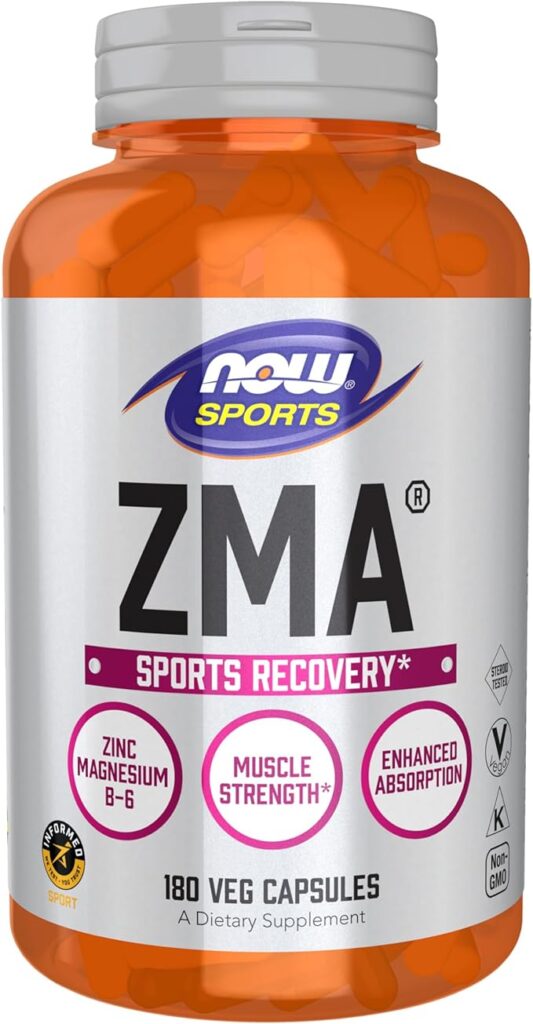
That is one reason ZMA supplements continue to hold a steady place in sports nutrition, especially among people focused on recovery, consistency, and overall training support.
Recovery Has Become a Bigger Part of Fitness Culture
In the past, many people looked mainly at pre-workouts and protein. Today, the conversation has become broader. Recovery, sleep support, muscle maintenance, and overall routine quality now play a much bigger role in how active people approach supplementation.
ZMA products fit naturally into that shift because they are often associated with a more recovery-aware training mindset.
A Supplement Category That Appeals to Serious Routine Builders
People who are consistent with training often start looking at their routine more completely. Instead of focusing only on what happens before a workout, they begin thinking about what supports the body afterward as well.
That is where products like ZMA often become part of the discussion, especially for people who care about:
- post-workout support
- daily recovery habits
- structured supplement routines
- active lifestyle consistency
- long-term training quality
Its appeal comes from being connected to the bigger picture of performance support.
Popular in Sports Nutrition for a Reason
Some supplement categories rise and fall quickly, but ZMA has stayed around for years because it continues to fit into the needs of active people. It is often seen as one of those classic products that may not be flashy, but still feels relevant in routines built around performance and recovery.
This kind of long-term presence usually means the category has practical value for real users.
Easy to Add to a Daily Supplement Routine
Another reason ZMA products remain popular is simplicity. Capsule-based supplements are easy to take and easy to include in a regular routine, especially for people who want a straightforward option rather than complicated formulas.
That convenience matters a lot for active people who already manage meals, workouts, schedules, and other supplements. Simpler products are often easier to keep using consistently.
Supports a More Complete Approach to Fitness
One of the biggest changes in modern sports nutrition is that more people now want a more balanced and complete strategy. They are not only chasing short-term energy boosts. They want routines that also support recovery, sustainability, and better long-term training habits.
That is why recovery-oriented supplements continue to attract interest from:
- gym users
- active adults
- performance-minded individuals
- people building better recovery routines
- consistent trainees who want more than just pre-workout support
A Familiar Name in the Recovery Category
ZMA has become one of those supplement categories that many people recognize quickly in sports nutrition. Even with newer products entering the market, it remains relevant because it has a strong connection to the idea of supporting the body beyond the workout itself.
That familiarity is part of what keeps it visible in fitness conversations and supplement routines.
Why This Category Still Matters
The more people understand training, the more they realize that progress is not only about effort. It is also about recovery, routine quality, and staying consistent over time. Products that connect with that mindset often stay relevant for much longer than trend-based supplements.
ZMA continues to matter because it fits into that more thoughtful and recovery-conscious side of sports nutrition.
Final Thoughts
ZMA supplements remain popular because they align well with one of the most important parts of fitness: recovery. Easy to include in a daily routine and widely recognized in sports nutrition, they continue to appeal to people who want a more complete approach to training support.
For anyone building a recovery-focused supplement routine, this type of product is definitely worth considering.